

The Student AI Trap
Prompt if you're damned, do if you don't

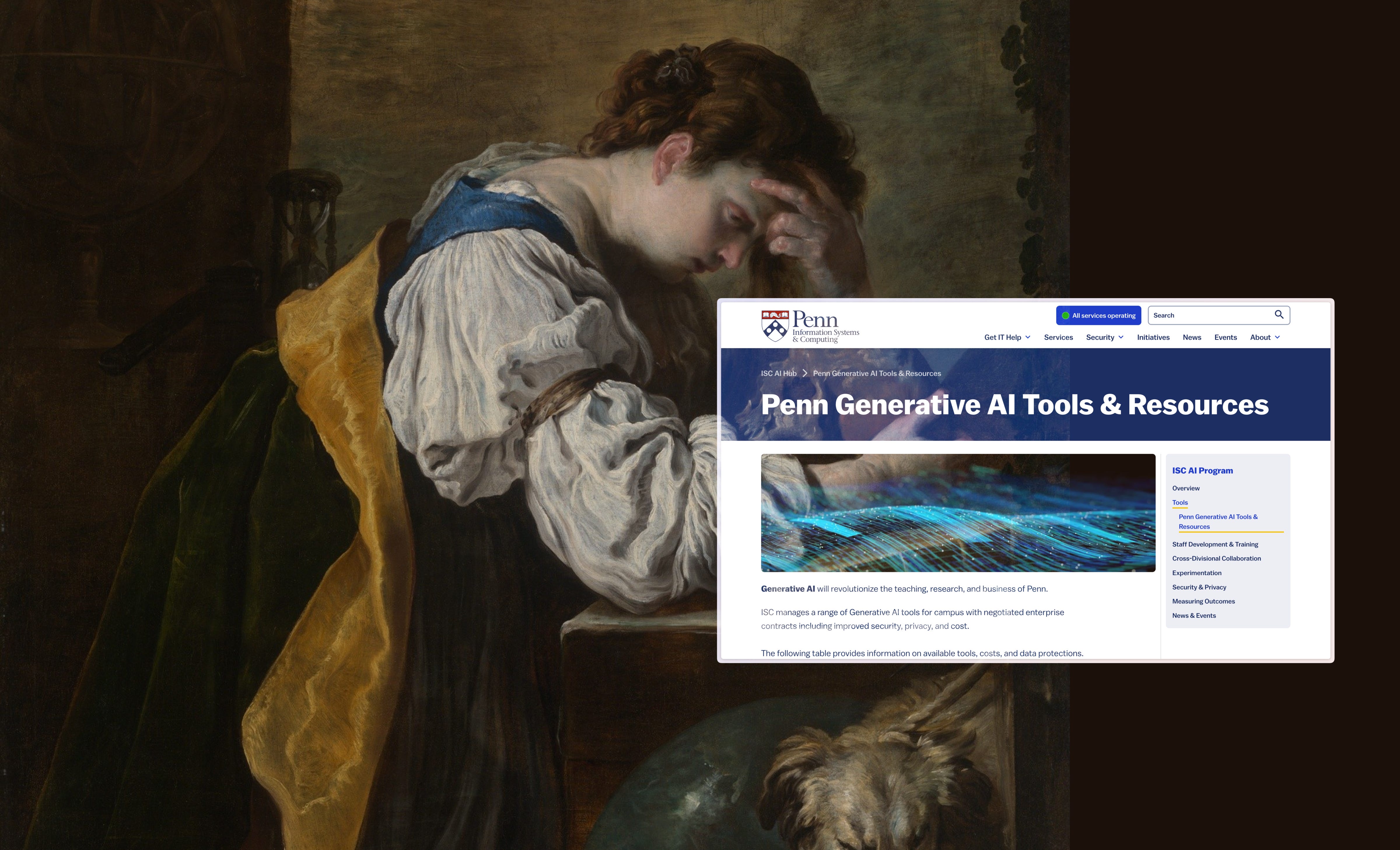
If my students use AI in their classes, the earth will gape underneath them. They will be swallowed whole by syllabus stipulations, ground between the teeth of academic integrity codes, and spit out the tired ass of a dean into a world that shakes its head in disappointment. They are taught by underpaid adjuncts who are themselves implicitly and explicitly encouraged to conjure exams, student evaluations, and course plans. “You are a psychology professor teaching a graduate course on human cognitive development,” one prompt template reads. “Write five course learning objectives, each using a verb from Bloom’s Taxonomy. Format the objectives as a numbered list.” The school is running a pilot program with Grammarly, which is a software that students can use to generate text, and instructors can use to catch them generating text. The disease and its salve, an arms race against an industry that already occupies both sides of the arms race. Those who opt out will be graded against those who don’t. Each day, pairs of dueling seraphim clock into their university jobs (non-union), sit on the shoulders of students, and feed them contradictory messages about tools that will leave them either godlike or jobless. The students hunch over their computers under the messengers’ weight, generating and regenerating resumes that will be read by generators. The large language models evolve with each waning moon, peeling off a layer of scabrous skin and beckoning the students to stay ahead of the curve. The students tremble-walk this curve like a tightrope, trying not to look down for fear that they will catch sight of the world they are setting aflame. Meanwhile, the university is erecting a 116,000-square-foot, six-story, energy-efficient building to further advancements in artificial intelligence. April was just declared AI Month.
Escape the Algorithm is a newsletter about taking control of our attention and finding a more human side of the internet. After you subscribe, you can make me feel supported by performing a tiny act of codependence: mail me a gift or a postcard, take me out for coffee in person, contribute a story to the newsletter, or become a paid subscriber. Learn more about becoming a ᵐⁱᶜʳᵒsupporter.
🏃 Escape attempts
Acts of algorithmic resistance
Slow LLM is a browser extension that makes LLMs appear to run very slowly. Also available as an Enterprise (DNS) Edition.
In Every Language surfaces Wikipedia images as depicted in every language.
Payphone Go is Pokemon Go for California payphones.
X Rage Room lets you destroy a tweet of your choice.
Desire Paths for Wikipedia “wears” Wikipedia links, showing your browser history over time.
J-Card Generator lets you make cassette tape inserts out of Spotify or Youtube playlists.
Hearmuffin lets you chat with strangers listening to the same song.
Queer Digital Graveyard is a digital memorial for LGBTQ+ websites of the early internet.
Homer is a microblogging platform that summarizes posts with AI summarization every hour until all that is left is a single word.
Plaintext
Word associations
Rusty Foster on what happens when we muddle AI and humanity:
Imagine you have two machines. One you can open up and examine all of its workings, and if you give it every picture of a cat on the whole internet, it can reliably distinguish cats from non-cats. The other is a black box and it can also reliably distinguish cats from non-cats if you give it half a dozen pictures of cats, some apple sauce, and a hug. These machines sort of do the same thing, but even without knowing how the second one works I am extremely confident in saying it doesn’t work the same way as the first one.
🌸 Screenshot garden
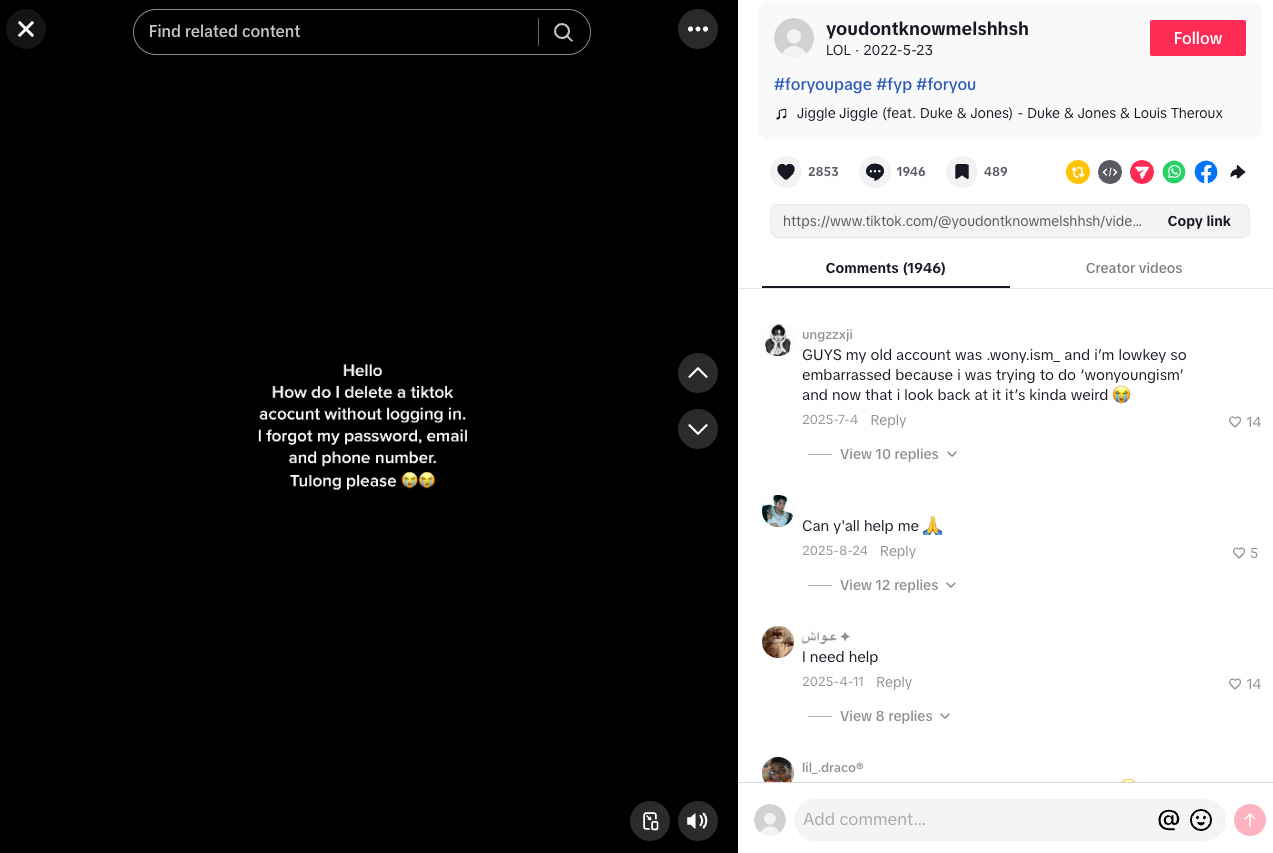
Souvenirs from my internet travels, presented without context
Escape the Algorithm is a newsletter about taking control of our attention and finding a more human side of the internet. After you subscribe, you can make me feel supported by performing a tiny act of codependence: mail me a gift or a postcard, take me out for coffee in person, contribute a story to the newsletter, or become a paid subscriber. Learn more about becoming a ᵐⁱᶜʳᵒsupporter.